
SPECIFICATIONS & OWNERSHIP
2016 RAM 1500 4x4 Modes, Operation & Troubleshooting
The 2016 RAM 1500 4x4 can have different transfer-case switches. Depending on equipment, you may see 2WD, 4WD LOCK and 4WD LOW, or an additional 4WD AUTO mode. Choose the setting for the road surface and follow the factory shift instructions.
Technical information reviewed: 2026-11-06
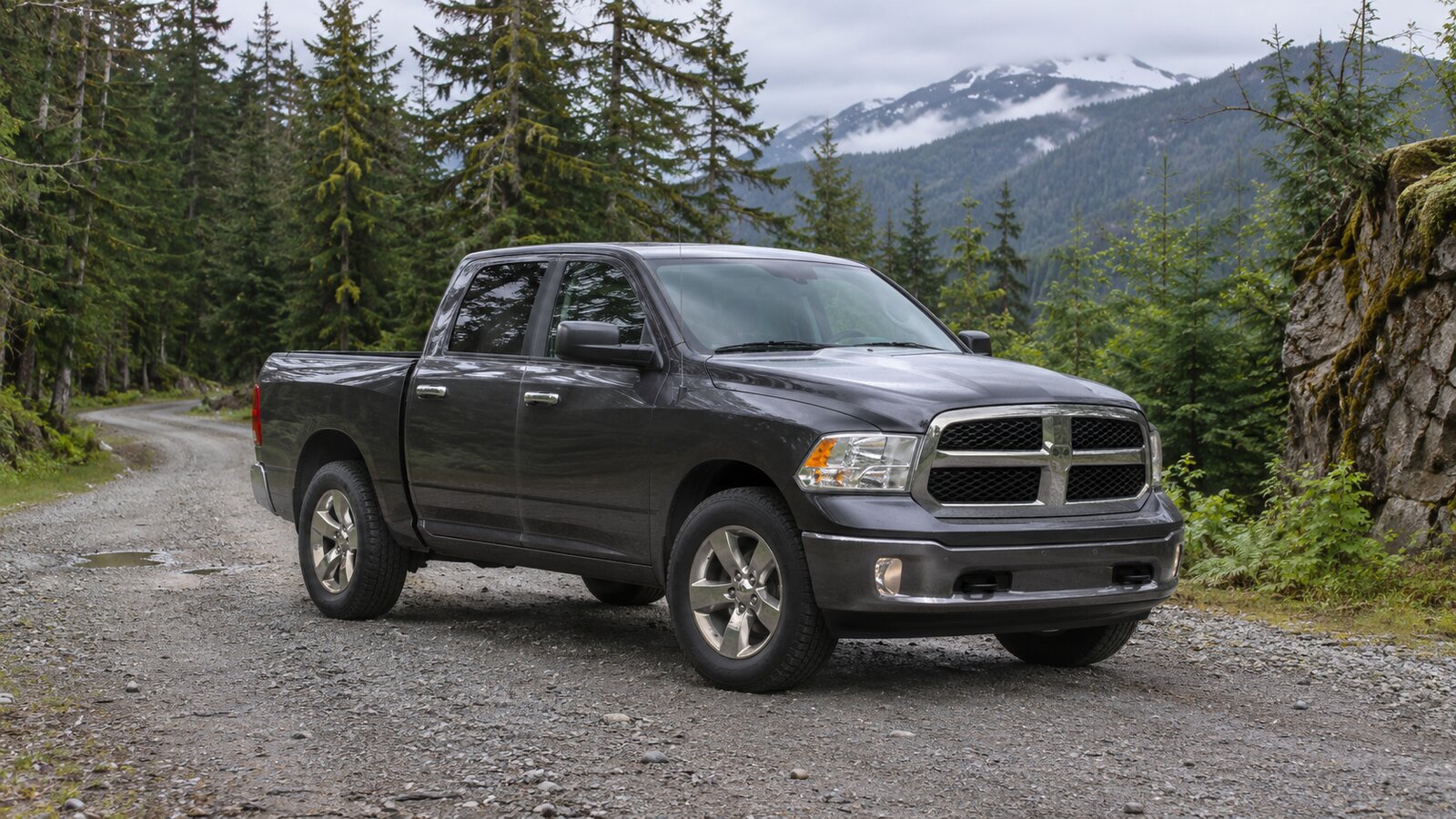
Confirm the engine, trim, drivetrain, market and installed equipment before using a part number, capacity or repair procedure.
2016 RAM 1500 four-wheel-drive mode meanings
| Mode | When it is intended to help | Important caution |
|---|---|---|
| 2WD | Normal rear-wheel-drive use on dry paved roads | No front-wheel drive engagement |
| 4WD AUTO, if equipped | Changing-traction conditions; front drive engages as needed | Not every transfer case has this position |
| 4WD LOCK | Loose or slippery conditions where additional traction is required | Do not use for ordinary dry, high-traction pavement |
| 4WD LOW | Very low-speed, high-traction-demand situations such as difficult off-road conditions | Use the factory shift sequence and speed requirements |
| Transfer-case NEUTRAL | Specific recreational towing or service procedures only | Can let the truck roll even if transmission is in Park |
Mode names and cautions are from the 2016 RAM manuals. The four-position and five-position switches differ by transfer-case configuration; follow the instructions for the installed switch, not a generic internet procedure.
How to identify which 4x4 system is installed
Look at the transfer-case selector, the VIN equipment information and the owner manual. Some rotary switches show 2WD, 4WD LOCK and 4WD LOW; other 2016 systems also show 4WD AUTO. A different trim badge is not a substitute for checking the switch and actual transfer-case unit.
When to use 4WD Auto versus 4WD Lock
Where fitted, 4WD AUTO allows the system to engage front drive as traction changes. 4WD LOCK is intended for loose or slippery surfaces. The manufacturer warns against using locked four-wheel drive on dry, hard pavement because binding can damage the driveline and wear tires. It is not a performance setting for ordinary commuting.
Using 4WD Low safely
4WD LOW provides extra reduction for very low-speed operation where traction and control are needed. The exact shift procedure depends on the installed transfer case and transmission, including vehicle speed and selector position. Do not force a shift, and read the factory instructions before attempting LOW or transfer-case NEUTRAL.
If 4x4 will not engage
Record the selected mode, indicator behaviour and any message on the instrument cluster. Check battery voltage, related fuses, selector and transfer-case control fault codes before replacing a motor. A blinking indicator may mean the shift is still in progress or conditions for shifting were not met; the manual gives the correct interpretation.
Grinding, binding or a warning after engagement
Stop the maneuver if you hear grinding, feel violent binding or see a driveline warning. Mismatched tires, an actuator issue, driveline damage or the wrong surface for LOCK can lead to different symptoms. Inspect tire size and condition on all four corners and have the proper module scanned.
Transfer-case fluid and towing differences
The 2016 RAM has equipment-dependent transfer-case lubricant and service requirements. Confirm the case unit before ordering fluid. Recreational flat towing requires a specific transfer-case procedure and is not the same as putting the automatic transmission in Neutral; follow the actual truck’s manual exactly.
Three-position and four-position switch: what changes
The number of road-driving choices depends on the installed transfer case. One common selector offers 2WD, 4WD LOCK and 4WD LOW; another adds 4WD AUTO. Both types may have a separate transfer-case neutral procedure for approved recreational towing. Read the markings on the actual dashboard switch, then follow the matching 2016 manual section. Do not confuse transfer-case neutral with transmission neutral.
What to check before replacing a transfer-case motor
Note the mode requested, whether the indicator flashes, the vehicle speed and transmission state during the attempt. Check for low battery voltage, stored 4WD module codes, damaged wiring and mismatched tire sizes. An incomplete shift does not establish that the motor itself has failed; improper shift conditions can produce similar symptoms.
Use the correct model-year manual and current service information. Stop if instructions or safety precautions are unclear, and use a qualified technician for work you cannot verify.
References and further reading
- 2016 RAM owner manual, four-wheel drive and transfer-case operation
- 2016 RAM user guide, four-wheel drive controls
- RAM 2016 owner manual: electronically shifted transfer cases
This independent guide is not endorsed by the vehicle manufacturer. Let us know if you spot an error.